
RTX 5090 vs Budget GPU: Is the Ultimate Card Worth It?
Think the RTX 5090 is worth $3,000? Our testing reveals shocking performance gaps that'll make you question everything about high-end GPU spending. The results will surprise you.
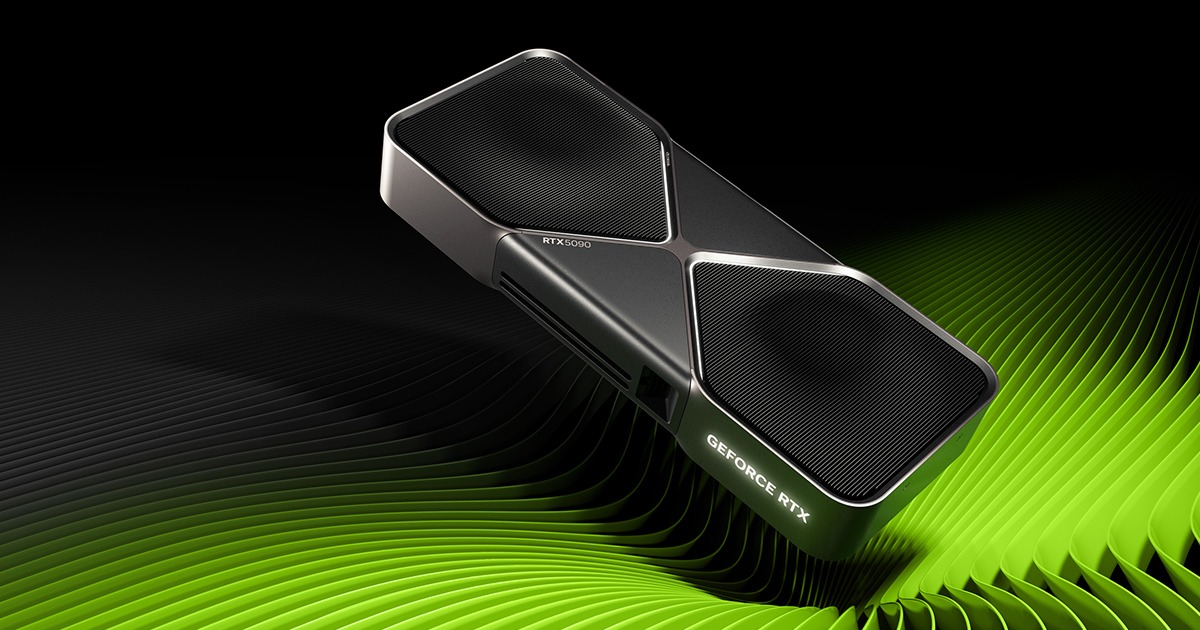
The $3,000 GPU Dilemma: When More Expensive Isn't Always Better
Picture this scenario: you've just inherited $3,000 and you're itching to upgrade your gaming PC. Conventional wisdom says dump all that money into the best GPU you can afford. But what if everyone's been getting it wrong?
Recent testing with the RTX 5090 versus more budget-friendly options reveals some surprising truths about GPU bottlenecks, price-to-performance ratios, and whether that flagship card is actually worth the premium.
The Average Gaming PC Baseline
Our test system represents what most gamers actually own:
- CPU: Intel Core i5-12400 (6 cores)
- RAM: 16GB DDR4
- GPU: RTX 3060 8GB
- Resolution: 1080p and 4K testing
Initial Performance Results
At 1080p, this mid-tier setup delivered:
- F1 24: ~100 FPS (High settings)
- Anno 1800: ~100 FPS (Very High settings)
- Cyberpunk 2077: Struggled with ray tracing
- Returnal: Below optimal performance
At 4K, only Anno 1800 maintained playable framerates around 30 FPS. Everything else became a slideshow.
The RTX 5090 Upgrade: Overkill or Game-Changer?
Installation Considerations
Before diving into performance, upgrading to a flagship GPU requires careful planning:
- Physical space: Ensure your case can accommodate the massive card
- Power requirements: 600W+ PSU with 12VHPWR connector
- Cooling: Additional airflow may be necessary
- Weight: Modern flagship cards are significantly heavier
Performance Results: The Reality Check
1080p Performance: The RTX 5090 showed impressive gains, but with a major caveat. Even at 1080p with ray tracing on medium settings, the performance wasn't where you'd expect a $2,000+ card to be.
- Cyberpunk 2077: Nearly 3x performance increase
- Returnal: Similar 3x improvement
- F1 24 & Anno 1800: More modest 70% gains
4K Performance: This is where the 5090 truly shined. Despite 4x the pixel count, framerates only dropped to about half of 1080p levels, indicating severe CPU bottlenecking at lower resolutions.
The CPU Bottleneck Reality
To test the full potential of the RTX 5090, we paired it with a high-end system:
- CPU: AMD Ryzen 7 9800X3D
- RAM: 32GB DDR5
- Same RTX 5090
Eye-Opening Results
1080p with High-End CPU:
- Performance jumped from ~100 FPS to over 150 FPS
- Butter-smooth gaming experience across all titles
- Revealed how much RTX 5090 performance was wasted on average hardware
4K with High-End CPU: Surprisingly, performance remained nearly identical to the average PC setup. This proves that at 4K, even demanding games become GPU-bound rather than CPU-bound.
The AMD RX 9070 XT Alternative
With better availability and an $850 price point, the RX 9070 XT presents a compelling alternative.
Performance Comparison
1080p Results:
- Actually matched or beat the RTX 5090 in three out of four games
- Confirms severe CPU bottlenecking at this resolution
- Proves spending more on GPU provides zero benefit
4K Results:
- Delivered at least 50% of RTX 5090 performance
- Cost less than 30% of the flagship card's price
- Made all games playable at 4K settings
The New GPU Buying Strategy
Rethinking Conventional Wisdom
The traditional advice of "spend everything on the GPU" needs updating. Modern GPU pricing has reached a point where diminishing returns kick in much earlier than expected.
Better Upgrade Approaches
Option 1: Balanced System Upgrade
- Invest in CPU, RAM, and mid-tier GPU simultaneously
- Better overall gaming experience
- Future-proof for multiple generations
Option 2: Monitor Upgrade First
- High refresh rate or better resolution display
- Immediate visual improvement
- Often more impactful than GPU alone
Option 3: Smart GPU Selection
- Choose cards that match your CPU's capabilities
- Avoid overspending on unused performance
- Save money for future upgrades
Key Takeaways for Smart Builders
Performance Per Dollar Matters
- The RTX 5090 costs 2.5x more than RX 9070 XT
- Performance difference at 4K: ~50% better
- At 1080p: virtually identical on average hardware
System Balance Is Critical
- CPU bottlenecks waste expensive GPU performance
- Memory and storage also impact gaming experience
- Consider your monitor's resolution and refresh rate
Availability and Value
- Mid-tier cards often have better availability
- Price-to-performance sweet spot sits in the $600-900 range
- Flagship cards target enthusiasts, not mainstream gamers
Making the Right Choice for Your Build
Questions to Ask Yourself
-
What resolution do you game at?
- 1080p: Mid-tier GPU is plenty
- 4K: Consider higher-end options
-
What's your CPU situation?
- Older 4-6 core: GPU upgrade won't help much
- Modern 8+ core: More GPU headroom available
-
What games do you play?
- Esports titles: CPU and high refresh rate matter more
- AAA single-player: GPU becomes more important
-
What's your budget reality?
- $800-1200: Perfect for balanced mid-tier build
- $2000+: Consider if you truly need flagship performance
Conclusion: Smart Spending Beats Expensive Hardware
The data clearly shows that throwing money at the most expensive GPU isn't always the answer. The RTX 5090, while impressive, offers diminishing returns for most gaming scenarios when paired with average hardware.
For the majority of gamers, a balanced approach focusing on the RX 9070 XT or similar mid-tier options provides the best gaming experience per dollar. Save the extra money for a better monitor, faster CPU, or simply keep it for future upgrades when the performance gap becomes more meaningful.
Remember: the goal isn't to own the most expensive hardware—it's to enjoy smooth, beautiful gaming within your budget. Sometimes the best upgrade isn't the GPU at all.
Ready to build your next gaming PC? Consider your entire system balance before committing to that flagship GPU. Your wallet—and your gaming experience—will thank you.